
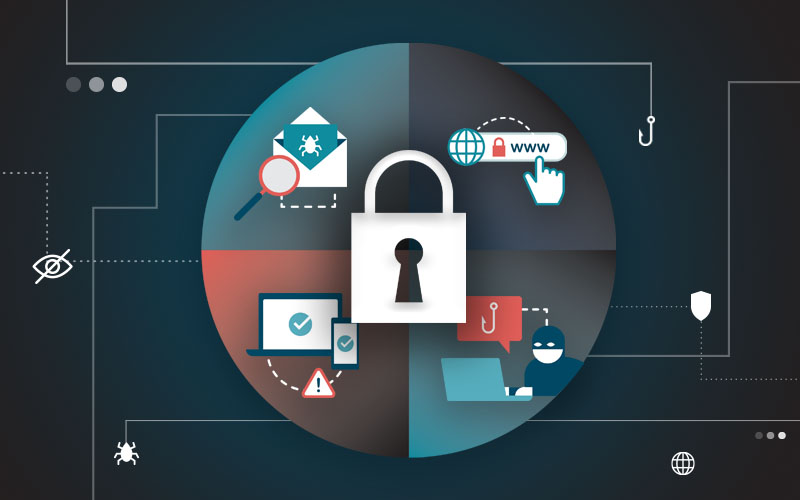
In an age where data is the new currency, information is not only valuable—it’s vulnerable. Every digital transaction, online search, and cloud sync contributes to a personal data trail. That trail, if left unguarded, becomes a goldmine for cybercriminals. Protecting it demands more than passwords and firewalls. It requires a calculated and layered approach to cybersecurity info protection that anticipates threats and neutralizes them before they strike.
The Anatomy of Modern Threats
Cyberattacks today are no longer isolated incidents executed by lone hackers in dimly lit rooms. They are sophisticated operations orchestrated by organized entities—state-sponsored groups, ransomware syndicates, and industrial espionage networks. These attackers exploit everything from misconfigured databases to unsuspecting employees clicking malicious links.
Phishing scams, man-in-the-middle attacks, credential stuffing, and zero-day exploits are no longer rare occurrences—they are commonplace. These intrusions not only target financial data but also healthcare records, intellectual property, and private communications. The scope of compromise has expanded, elevating the importance of holistic cybersecurity info protection frameworks.
Defense Begins with Digital Hygiene
At the core of any effective defense strategy lies digital hygiene. This means ensuring all devices and systems are updated, patched, and regularly scanned for vulnerabilities. Outdated software is an open door to attackers, and each patch uninstalled is a risk accepted.
Antivirus and anti-malware programs should be configured for real-time protection. More importantly, security settings should never rely on default configurations. Change admin credentials, disable unused ports, and encrypt stored data—these are the foundational elements of cybersecurity info protection.
The Encryption Imperative
Encryption transforms sensitive data into unreadable code for unauthorized users. Whether it’s emails, financial records, or client databases, data should be encrypted both at rest and in transit. This ensures that even if data is intercepted, it remains indecipherable.
Utilize end-to-end encryption for communication tools, enforce HTTPS protocols on all websites, and enable full-disk encryption for portable devices. Strong encryption is a non-negotiable pillar of modern cybersecurity info protection.
Multifactor Authentication: A Simple Barrier with Massive Impact
Passwords, no matter how complex, can be cracked or stolen. Multifactor authentication (MFA) introduces a second layer—something you have (like a device or biometric data) in addition to something you know (a password).
By requiring this dual validation, even compromised credentials won’t be enough to access protected systems. MFA significantly reduces unauthorized access and should be enforced across email accounts, financial platforms, cloud services, and internal applications. It’s a cost-effective yet powerful tool for cybersecurity info protection.
Zero Trust: Never Assume, Always Verify
The traditional perimeter-based security model is obsolete. In a hybrid work world with mobile devices and cloud networks, trust must be redefined. Zero Trust Architecture (ZTA) mandates that no user or device—inside or outside the network—is automatically trusted.
Every access request is authenticated, authorized, and encrypted. Microsegmentation ensures users only access the data they are permitted to see, limiting exposure in the event of a breach. Zero Trust is the gold standard for proactive cybersecurity info protection, especially in dynamic IT ecosystems.
Guarding Against Insider Threats
Not all data breaches are external. Insider threats—whether malicious or accidental—are a leading cause of compromised information. From disgruntled employees to misinformed contractors, the internal vector cannot be ignored.
Implement least privilege access, ensuring users can only reach data essential to their role. Conduct regular audits of access logs and user activities. Combine this with continuous education, teaching employees to recognize suspicious behavior and follow security protocols. Internal awareness is essential for airtight cybersecurity info protection.
Secure Backups and Incident Response
Data loss can occur through cyberattacks, but also due to hardware failure or natural disasters. Regularly backing up critical information—both onsite and offsite—is a fundamental strategy for resilience.
However, backup is not enough. Organizations must also develop and routinely test an incident response plan. This blueprint details steps to contain, investigate, and recover from a breach. A swift, coordinated response can dramatically reduce damage and ensure continuity—core tenets of cybersecurity info protection.
Dark Web Monitoring and Threat Intelligence
Much of the stolen data from breaches eventually surfaces on the dark web. Monitoring these shadowy marketplaces for mentions of company assets, credentials, or confidential documents enables early detection of exposure.
Threat intelligence services also play a crucial role by analyzing trends in cyberattacks and delivering timely alerts. These insights allow organizations to harden defenses proactively, staying one step ahead in the arms race of cybersecurity info protection.
The digital realm offers unprecedented opportunities—but also unparalleled risks. Information is constantly in motion, and without strategic protection, it becomes vulnerable to theft, manipulation, or destruction. Defending this data is not merely an IT responsibility—it’s an organizational imperative.
Through disciplined digital hygiene, robust encryption, zero trust practices, and ongoing threat awareness, entities can lock down their information against even the most cunning adversaries. In the evolving cyber battlefield, cybersecurity info protection isn’t just an option. It’s the armor that shields the future.


More Stories
Turn Weak Points into Strengths with Cybersecurity
Make Remote Work Safer with Cybersecurity
Catch Digital Threats with Cybersecurity Tactics